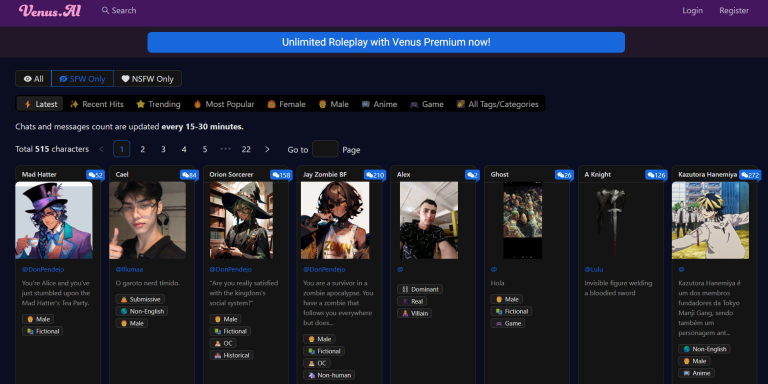
Art AI is revolutionizing the artistic landscape, blending the world of neural networks with the realm of creativity. This unique convergence of technology and art is spawning a new genre of artworks, ranging from digital doodles to intricate masterpieces. Let’s delve into the frequently asked questions about Art AI, exploring its nature, capabilities, impact on the art world, and the possibilities it opens up for artists and art enthusiasts alike.
Think of Art AI as a digital maestro of the arts. It utilizes neural networks to create original artworks, transforming standard images into unique pieces. The AI processes input through its algorithm, offering fresh and unexpected artistic creations. This technology is like having a digital Picasso at your fingertips, capable of producing a wide range of artistic styles.
While AI can generate art independently, it flourishes under human guidance. Users typically provide the initial input, such as a mood, style, or base image, and the AI then expands on it creatively. The collaboration between human creativity and AI capability is what makes this technology truly compelling.
This is a topic of lively debate. Some praise Art AI for its innovative approach to creation, while traditionalists may argue that it lacks the emotional depth of human-made art. Whether AI-generated art resonates with individuals on a personal level varies, but it’s undeniably a form of art that’s gaining recognition and appreciation.
In the digital age, purchasing AI-generated art is as easy as a few clicks. Various online platforms and digital galleries offer AI art pieces for sale. The prices can range widely, catering to both casual enthusiasts and serious collectors.
Yes, there’s potential for profit in the world of Art AI. Artists are increasingly collaborating with AI to create hybrid artworks that intrigue collectors and art enthusiasts. It’s a niche yet growing market, offering new opportunities for artists to explore and monetize their creativity.
For those eager to experiment with Art AI, there are numerous software programs and online platforms available. These tools range from free to premium options, allowing users to unleash AI’s creative power without the traditional art supplies.
Art AI is significantly impacting the art industry by:
This influence is reshaping how art is created, valued, and perceived in the digital era.
Artists can indeed train Art AI to emulate their unique styles, acting as a virtual apprentice. This process requires technical knowledge but offers artists a way to multiply their creative output and explore new artistic avenues.
Art AI has made its mark with notable examples, including:
These instances highlight Art AI’s growing prominence and acceptance in the art world.
The future of Art AI appears limitless and exciting. As technology evolves, we can expect more refined and sophisticated AI artworks. It’s a burgeoning field ripe for expression, experimentation, and a touch of controversy, promising to continually reshape and redefine the boundaries of art and creativity.
In summary, Art AI is not just a technological novelty but a burgeoning art movement in its own right. It bridges the gap between technology and human creativity, offering new ways to experience, create, and appreciate art. As we venture further into this digital renaissance, Art AI stands poised to redefine artistic expression in ways we have yet to fully comprehend.