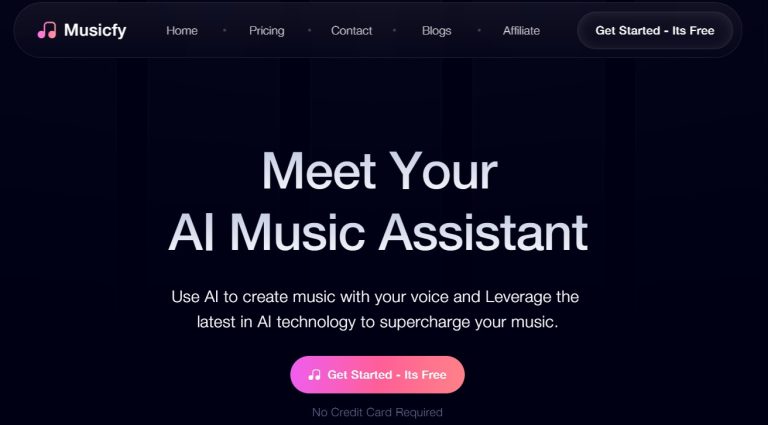
In the dynamic world of digital media, Audio Editing AI is revolutionizing the way we approach audio editing tasks. These innovative AI-powered tools are not just enhancing audio quality but are also simplifying and automating complex editing processes.
Audio Editing AI encompasses the use of advanced artificial intelligence and machine learning algorithms to automate and refine the process of editing audio recordings. This technology can transform the audio editing landscape by offering:
Audio Editing AI tools operate by using sophisticated algorithms that analyze audio content. Their capabilities include:
The benefits of utilizing Audio Editing AI Tools are manifold, particularly for professionals in music production, podcasting, and video creation. Key advantages include:
Many advanced Audio Editing AI tools possess the ability to transcribe spoken content within audio files. This feature allows for:
Most Audio Editing AI Tools are versatile, supporting a wide range of audio formats such as MP3, WAV, FLAC, and others. This compatibility ensures that users can work with different file types without the need for conversion.
Noise reduction is a standout feature of Audio Editing AI Tools. They can effectively:
While Audio Editing AI offers powerful editing capabilities, certain limitations exist:
Audio Editing AI Tools can significantly improve the clarity of spoken words in audio recordings by:
Most Audio Editing AI Tools are designed with user-friendliness in mind, catering to both professionals and amateurs. While technical expertise in audio editing can be beneficial, many of these tools offer intuitive interfaces and straightforward functionalities.
There are Audio Editing AI Tools available that offer free versions with basic functionalities. More advanced features, however, might require a subscription or one-time purchase, providing access to more sophisticated editing capabilities.
Several Audio Editing AI Tools also offer transcription and captioning services, which include:
The functionality of Audio Editing AI Tools varies, with some offering real-time editing and others requiring file uploads for processing. The choice between these depends on the specific requirements of the task and the tool’s capabilities.
When using Audio Editing AI Tools, especially for sensitive audio content, it is crucial to consider the privacy policies of the platform. Users should ensure that their data is handled securely and that the platform adheres to stringent data protection standards.
In summary, Audio Editing AI is becoming a game-changer in the field of audio production and editing. With its ability to automate complex processes, enhance audio quality, and provide user-friendly interfaces, these AI tools are opening new possibilities for content creators, making professional-quality audio editing more accessible and efficient. As technology advances, we can expect even more sophisticated features and capabilities from Audio Editing AI tools.